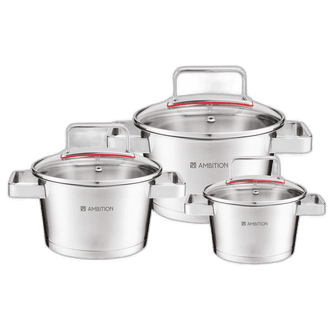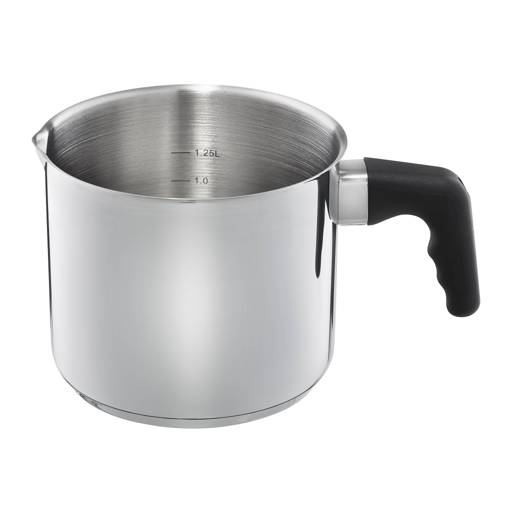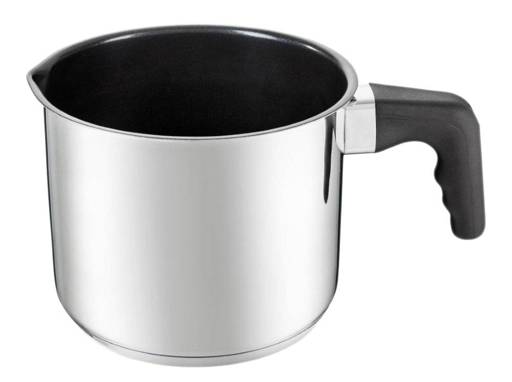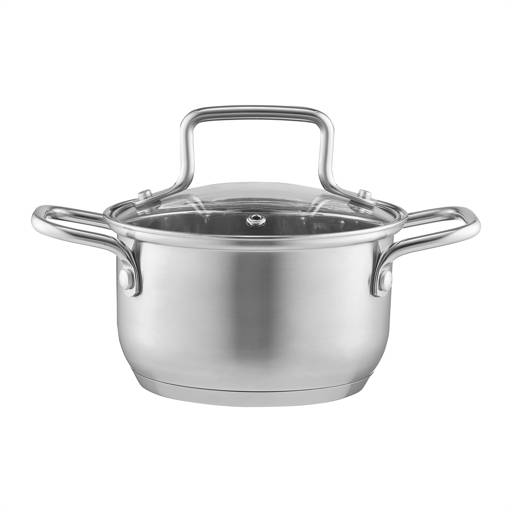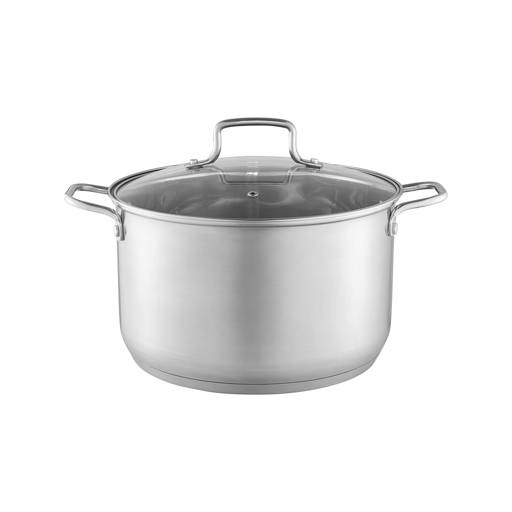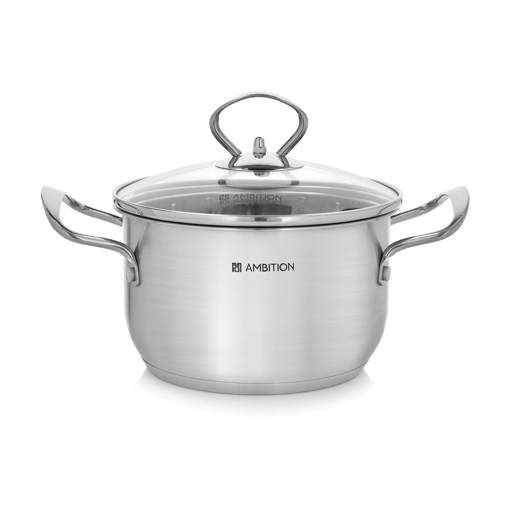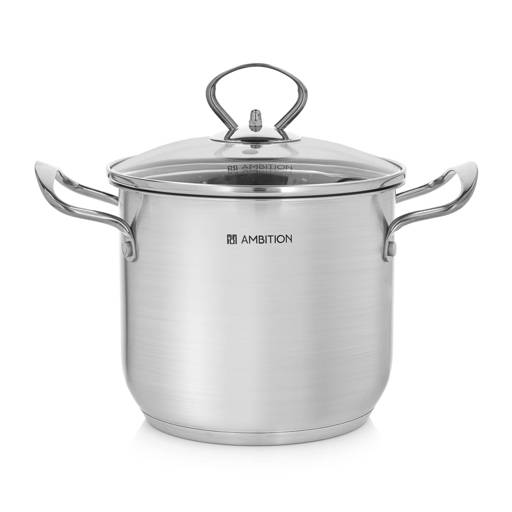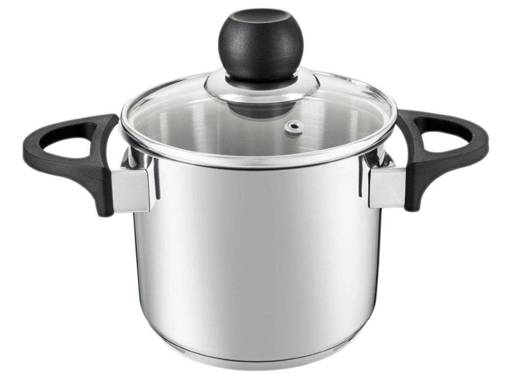
Stainless steel is one of the most valued materials used in the production of cookware. It owes its durability to a special composition containing, among others, chromium and nickel. These elements are responsible for the material's resistance to corrosion and its characteristic shine. High-quality pots made of 18/10 stainless steel are resistant to daily use, temperature, and contact with various food products. However, this does not mean they can be cleaned using any method. Improper agents or too intense scrubbing can cause minor scratches, loss of shine, and even damage to the protective surface of the steel. That is why it is so important to use gentle methods that effectively remove dirt but do not destroy the material at the same time. Regular cleaning after each use ensures that dirt does not have time to set. As a result, subsequent washing is much easier, and the pots maintain their aesthetic appearance for longer.
A burnt pot bottom is one of the most common problems during cooking. Too high a temperature, leaving food without stirring, or heating for too long can cause difficult-to-remove brown or black marks to appear on the surface. It is not worth reaching for strong chemicals right away. Stainless steel responds well to natural cleaning methods that allow dirt to dissolve without the risk of damaging the surface. One of the most effective ways is to use baking soda. Thanks to its gentle cleaning properties, it helps remove burnt food residues and restore the pot's aesthetic appearance. To clean a burnt pot, pour a few tablespoons of baking soda onto the bottom of the vessel and add a small amount of water to create a paste. Leave the prepared mixture for several minutes so the soda can soften the dirt. Then gently wipe the surface with a soft sponge and rinse the pot thoroughly. In the case of more severe burns, you can prepare a solution of water and soda and then gently heat it. The heat helps loosen the burnt fragments and makes them easier to remove. It is worth remembering that stainless steel does not like aggressive scrubbing. It is better to repeat the process several times than to try to remove the burn using a sharp tool.
Many products found in every kitchen can help in the care of stainless steel pots. Baking soda works primarily for burns and dried-on dirt. It is gentle, so it can also be used on polished surfaces. Vinegar, on the other hand, helps remove mineral deposits and hard water marks. Characteristic white spots on the bottom or sides of the pot are often not a sign of steel damage, but the result of minerals contained in the water depositing. If we want to remove them, you can prepare a mixture of water and vinegar, gently heat it, and then leave it for a few minutes. After this time, simply wipe the surface with a soft cloth. Lemon juice works well for light discolorations and when we want to restore a fresh look to the vessels. The acids it contains help dissolve minor deposits and give the surface a delicate shine. However, it is important to rinse the pot thoroughly with water after using vinegar or lemon. This ensures that no residues remain on the surface.
Not all marks on stainless steel are the result of burning. Common problems also include white coatings and colorful, rainbow discolorations appearing on the bottom of the vessel. White residue is most often caused by minerals found in water. It is particularly visible in places where the water is hard. This does not mean that the pot has been damaged; it is only a deposit that can be easily removed. Rainbow stains, on the other hand, often appear after intensive heating of an empty pot or during the cooking of products containing many minerals. They are a natural effect of the steel surface's reaction to temperature and do not affect the safety of use. In order to restore the aesthetic appearance of the pots, it is worth using gentle cleaning with a solution of water and vinegar or using special preparations designed for stainless steel.
Stainless steel is a very durable material, but it requires proper treatment. The most common mistake during the care of such vessels is using overly aggressive cleaning methods. Attempting to quickly remove burns using sharp tools can bring the opposite effect to the intended one and permanently worsen the appearance of the pot. One of the products that should be avoided are metal scourers and abrasive scrubbers. Although they effectively remove dirt, they can leave microscopic scratches on the steel surface. Over time, dirt accumulates more easily in such places, and the pot may lose its characteristic shine. It is also not recommended to use strong preparations containing chlorine or bleach. These substances can negatively affect the structure of stainless steel and weaken its protective properties. It is also worth being careful when using salt. Pouring large amounts of salt into cold water in the pot can promote the formation of small point damage on the surface. A safer solution is to add salt only when the water starts to heat up or boil. For daily cleaning, soft sponges, microfiber cloths, and gentle agents designed for stainless steel surfaces work best. Such an approach allows for effective removal of dirt without the risk of damaging the pot.
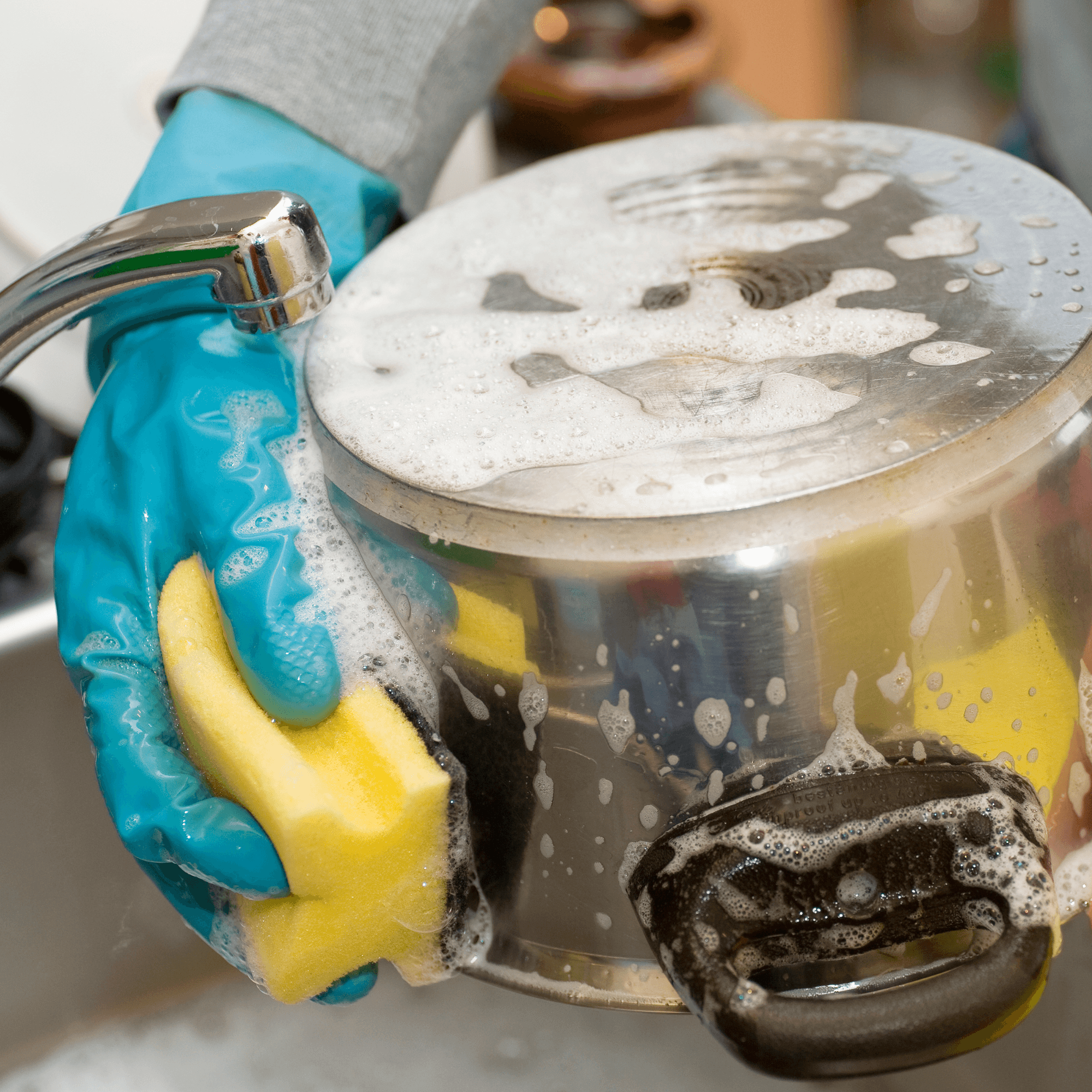
Regular washing after each use is the best way to keep pots in good condition. It is not worth putting off cleaning for later, as dried food residues are much harder to remove. After cooking is finished, it is worth letting the pot cool down gently. You should not immediately pour cold water into a very hot vessel, as a sudden change in temperature can cause material stress. For daily washing, warm water, a mild detergent, and a soft sponge are enough. In the case of light dirt, there is no need for intensive scrubbing; stainless steel best maintains its appearance with regular, gentle care. If food residues that have stuck firmly remain on the bottom, it is better to soak the pot for a few minutes than to try to remove the dirt with a sharp tool. Warm water will help soften the residues and facilitate their removal. After washing, it is worth drying the pot thoroughly. Leftover water droplets can leave mineral marks after drying, especially in the case of hard water. Wiping the surface with a dry cloth allows you to maintain the elegant shine of the steel.
Many modern stainless steel pots are dishwasher safe. However, before the first use, it is worth checking the manufacturer's recommendations, as the surface finish may matter. Washing in a dishwasher is convenient, but with frequent use of intensive programs, slight marks or dulling may appear on the surface of the pots over time. This is particularly visible on shiny, polished elements. To maintain the aesthetic appearance of the cookware for a long time, it is worth choosing gentler programs and using detergents designed for delicate surfaces. In the case of pots with stubborn dirt, manual soaking and gentle cleaning often prove to be a more effective solution than repeated intensive dishwasher cycles.
Correct use allows for a significant reduction in the problem of burning. Stainless steel conducts heat very well but requires the right cooking technique. Before starting to prepare food, it is worth gradually heating the pot. A temperature that is too high from the start can cause food to stick to the bottom. During cooking, it is good to use the appropriate heating power. Steel pots maintain temperature for a long time, so there is often no need to use maximum power all the time. The amount of liquid and regular stirring of dishes requiring longer processing are also of great importance. Particularly thick dishes, such as sauces or creamy soups, can stick more easily if left uncontrolled on a bottom that is too hot. High-quality stainless steel pots equipped with a multi-layer bottom help distribute heat evenly. Thanks to this, the temperature inside the vessel is more stable, and the risk of burning is much lower.
What is the best way to clean a burnt stainless steel pot?
Gentle methods such as baking soda with water or a solution of water and vinegar work best. They allow you to soften the burn marks without the risk of scratching the surface.
Does vinegar damage stainless steel?
No, vinegar used correctly does not damage stainless steel. It helps remove limescale and discoloration. However, after cleaning, the pot should be thoroughly rinsed.
Why does a stainless steel pot have white spots?
Most often, these are mineral deposits from hard water. They do not indicate damage to the vessel and can be easily removed using vinegar or special steel cleaning agents.
Does baking soda scratch stainless steel?
No, baking soda is a gentle cleaning agent. When prepared as a paste with water, it can effectively remove dirt without damaging the surface.
How to restore the shine to stainless steel pots?
To restore the shine, you can wipe the surface with a soft microfiber cloth after using a gentle cleaning agent or a solution of water and vinegar.